What Would the Universe Miss if BAAS Didn't Exist?

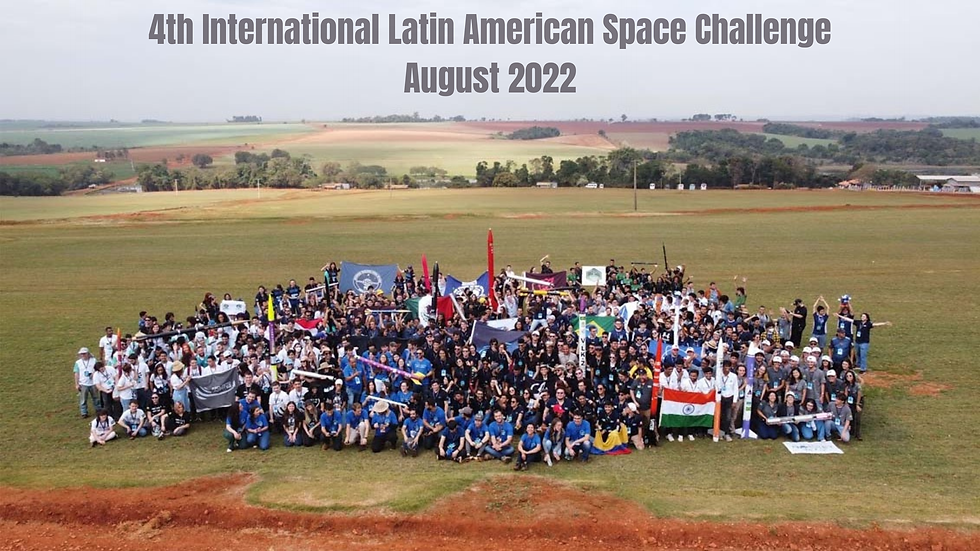
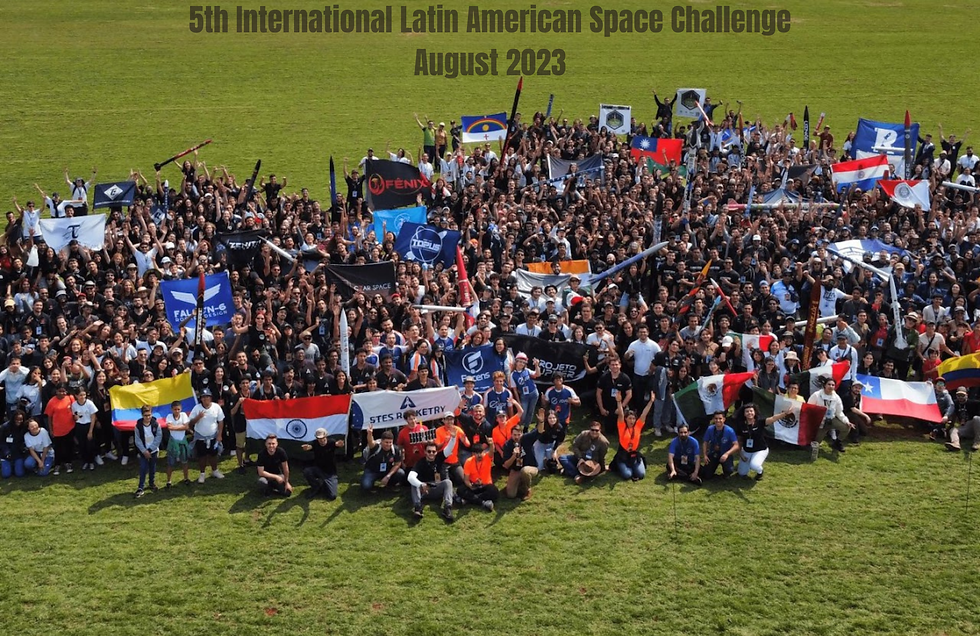
That moment every company has, where an idea turns into a decision, came out of firsthand frustration for BAAS. During years spent participating in competitive international rocketry events, the founders noticed that building a satellite or a rocket is only half the challenge. The harder problem that stalls entire missions, is getting access to affordable and timely launch opportunities.
Through these competitions, the team crossed paths with researchers, universities, and startups who had already solved the hard engineering problems. Their technology did work, but what they lacked was a reliable way to get it into space.
Rather than continue watching that gap widen, the founders decided to build BAAS, creating launch systems designed specifically for this underserved and growing market.
The Gap BAAS Set Out to Close

When asked about the core problem BAAS set out to solve, Tanmay Kanmahale, Executive Director at BAAS Technologies, delivered a response that was simple and straight to the point: “Affordable and dedicated access to space is still limited, especially for small satellite developers, universities, and research organizations.”
If BAAS had never come into existence, the problem it was built to solve would still be sitting there, largely unaddressed. Affordable and dedicated access to space remains limited, particularly for small satellite developers, universities, and research organizations that do not have the budgets or leverage of larger players.
Most of these organizations still rely on rideshare launches, a model that works but comes with real tradeoffs. Rideshare missions often mean delays, limited flexibility around scheduling, and compromises on mission requirements that the customer never really wanted to make in the first place. BAAS was built around the premise that these organizations deserve more control over when and how they access space, rather than fitting their ambitions around someone else's launch manifest.
Built on Obsession With Engineering
An almost stubborn obsession with engineering defines the nature of the team at BAAS. The team spends considerable time validating designs before moving forward, often more time than outsiders expect or anticipate. In the short term, it probably is slower than the alternative, but that patience is deliberate caution in building systems that can actually be trusted to work.
This same principle shows up in how the company describes its proudest technical achievement, the internal engineering workflow itself. Every subsystem, including structures, propulsion, avionics, and recovery, is designed, reviewed, tested, and iterated together rather than developed in isolation. It took years to refine, built up gradually through competition projects and early product development, long before it became a formal process inside the company.
That same discipline extends to what the company refuses to negotiate on, regardless of the cost in time, money, or growth. Safety and engineering quality sit at the top of that list. Rockets, as Tanmay puts it, do not forgive shortcuts. The company would rather postpone a test than fly a system that has not been properly validated, operating on the belief that every successful launch is really the result of hundreds of smaller decisions made long before ignition ever happens.
Building the Infrastructure Behind the Rocket
In some ways, the more persistent difficulty BAAS has faced has been building rocket infrastructure in India itself. Setting up testing facilities, securing regulatory approvals, and raising capital for deep-tech hardware, all move at a slower pace than software development typically does. There were moments when these delays tested the team's patience. But each obstacle added to the growing conviction that India needs companies willing to take on the work of building this infrastructure, even when it is unglamorous and slow.

That conviction connects to a broader conversation BAAS believes it has helped shift. Most discussions in the space industry tend to focus on launch vehicles themselves. While the rockets get the attention and the headlines few conversations focus on the importance of independent testing infrastructure. BAAS sees these two things as inseparable, believing that building the surrounding ecosystem matters just as much as building the rocket at the center of it.
This belief also shapes how the company thinks about what actually makes a launch vehicle viable. People tend to notice the rocket. Very few notice everything sitting behind it, the indigenous propulsion systems, the manufacturing processes, the testing infrastructure, and the supply chains that have to exist first. Without those foundations in place, a launch vehicle can never really become commercially viable, no matter how well designed it is.
From STEM Programs to Real Customer Value
Not every part of the BAAS story started as a core strategy. STEM Rockets is one example. Initially, the team viewed these programs mainly as a way to inspire students and generate interest in the field. Over time, that view expanded. The programs turned out to help universities understand propulsion, avionics, and launch operations in a genuinely practical, hands-on way. Eventually, the project became an important piece of validating BAAS technology, while also building a pipeline of future customers and future talent for the space industry as a whole.
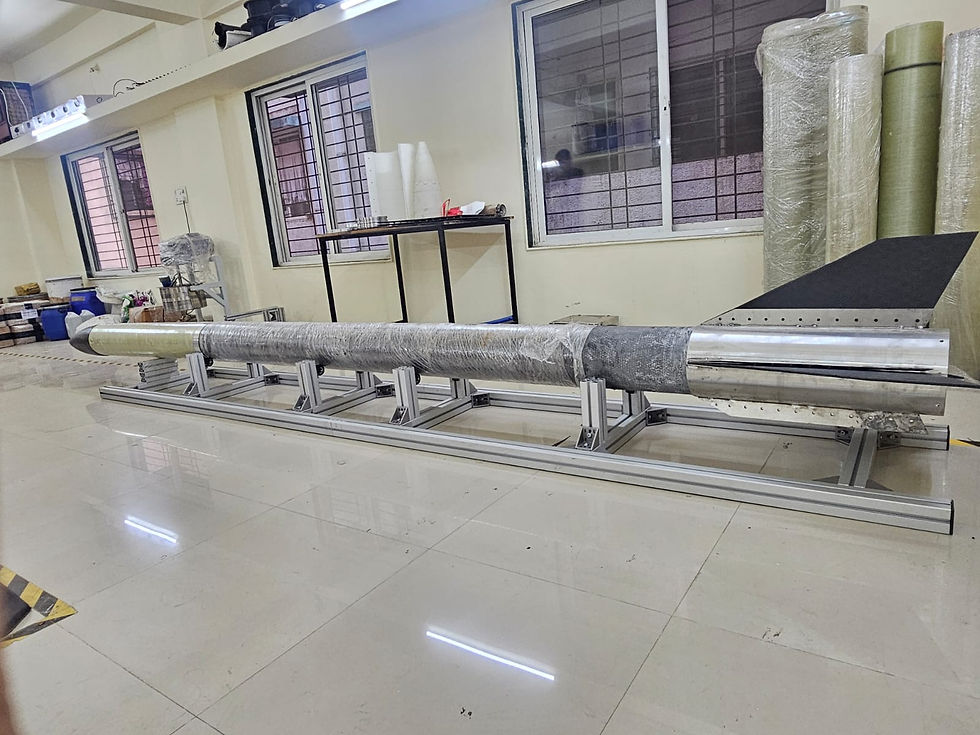
That same instinct, adapting rather than forcing customers into a rigid mold, shows up in how BAAS approaches its clients more broadly. One of the company's central value propositions has been offering mission specific solutions instead of asking customers to fit themselves into existing launch options. Whether that means rocket original equipment manufacturer (OEM) solutions or dedicated launch services, customers have consistently valued the flexibility and cost savings this approach offers compared to traditional alternatives.
Advice, Culture, and a Belief Worth Challenging
For anyone just starting out in this space, the advice from BAAS is to start by building things instead of waiting for the perfect conditions to arrive. “Start by building things instead of waiting for perfect conditions. The space industry rewards persistence more than perfection. Every prototype, failed test, and design review teaches something that no textbook can.”, Tanmay shared.
That mindset has also shaped a bit of internal culture at BAAS. Nearly every major design review eventually ends with someone saying, "Let's validate it once more." It has become something of an inside joke at this point, mostly because everyone already knows another test or simulation is probably coming before anyone is willing to sign off. Alongside that running joke sits a favorite phrase within the team, "This too shall pass," a reminder that keeps them steady through the inevitable setbacks.
There is also a belief the team is committed to challenging over the long term, the assumption that only governments are capable of building meaningful space technology. BAAS holds a different view, one where private companies have an equally important role to play in making space more accessible, provided they build responsibly and stay focused on long term engineering rather than short term hype.
What the Universe Would Actually Miss
So what would the universe miss if BAAS didn't exist? According to the company's CEO, it comes down to a team committed to making access to space simpler and more affordable. If BAAS disappeared, the industry would lose a company actively investing in testing infrastructure, propulsion technologies, and the broader engineering ecosystem needed to support the next generation of space missions coming out of India.
In an industry often defined by ambition and speed, BAAS has chosen a quieter, more deliberate path, one built on patience, validation, and the belief that the foundations matter just as much as the rocket itself.


Comments